Archives

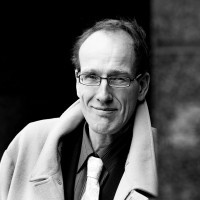
Ned Block

Online Lecture by Ned Block: Can only meat machines be conscious?

Event Start Date:
5. November 2025
Event End Date:
5. November 2025
Event Venue:
Online, Zoom

A live online lecture by Ned BlockNew York University

 Wednesday, November 5th,  19.00 – 20.45, Oslo time (13:00 – 14:45 EST)  on Zoom

Video recording:

Abstract by NB: Computational functionalism claims that executing certain computations is sufficient for consciousness, regardless of the physical mechanisms implementing those computations. This view does not take sufficiently seriously the possibility that sub-computational biological mechanisms which realize computational processes are necessary for consciousness. Using the contrast between computational roles and their sub-computational biological realizers, I show that our criteria for consciousness in AI and animals may lead to opposing conclusions and in that sense AI and animals are competitors. Current theories of consciousness are “meat-neutral,” but if meat is necessary, AI may never be conscious. Understanding whether consciousness depends on computational roles, biological realizers, or both is crucial for assessing the prospects of conscious AI and in simple animals.

Ned Block in an eminent philosopher of mind, who has made important contributions to the philosophy of consciousness and cognitive science. He has been professor of philosophy and psychology at New York University since 1996, and a Silver Professor since 2005. Block has mounted the overflow argument, which argues that phenomenal consciousness overflows conscious access, implying that one can consciously experience something that one lacks conscious access to. Block is also noted for presenting the Blockhead argument against the Turing test as a test of intelligence, and is also known for his criticism of functionalism, arguing that a system with the same functional states as a human is not necessarily conscious.


Online Lecture by Susan Carey – Prelinguistic representations: Implicit and iconic formats; proto-conceptual contents

Event Start Date:
29. October 2025
Event End Date:
29. October 2025
Event Venue:
Online, Zoom

A live online lecture by Susan Carey, Harvard University

Wednesday, October 29th, 7 PM Oslo time (CET), 1 PM EST,  19.00 – 20.45 on Zoom

Video Recording:

Abstract:

Cognitive science was born in the 1950s with the adoption of the computational/representational theory of mind. The cognitive revolution enabled empirical progress on foundational issues that had been debated since the time of the Greek philosophers, including new formulations of the rationalist/empiricist debate and new principled distinctions among representational systems. I sketch the current state of the art, as I see it, concerning distinctions in representational formats between fully implicit vehicles of content and explicit representational vehicles and also between iconic representations and symbolic representations. I sketch evidence for the proposal that prelinguistic representations, including those in perception those in core knowledge (rich abstract systems of representation attested in infancy and in non-human animals of many species), are fundamentally different in both format and content from linguistic representations. I sketch evidence for a speculation both ancient and modern in philosophy (e.g. Descartes, Davidson), as well as more recent within cognitive science: namely, prelinguistic representations do not support propositional reasoning. If concepts are atoms of propositions, there are no innate concepts. Innate support for logical thought is part of the human adaptation for language and emerges in ontogenesis in the course of acquiring language.

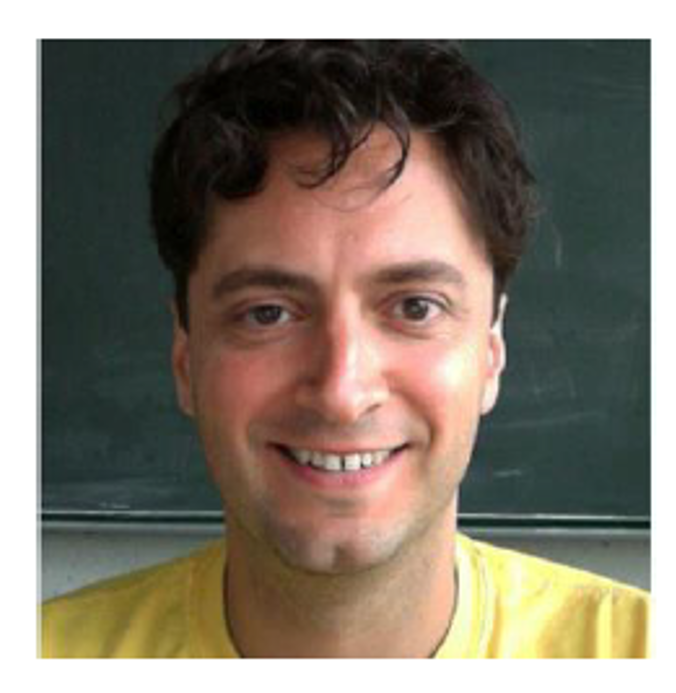
Susan Carey in an eminent cognitive psychologist and professor at Harvard University. She studies language acquisition, children’s development of concepts, conceptual changes over time, and the importance of executive functions. Carey received a PhD from the Harvard Psychology Department in 1972, taught at the Massachusetts Institute of Technology in the Brain and Cognitive Science Department from 1972 to 1996, at New York University (NYU) in the Psychology Department from 1996-2001, and at Harvard in the Psychology Department from 2001-2023. She retired from teaching in 2003 and is now a Research Professor at Harvard and a Visiting Scholar at NYU in Psychology and Visiting Scholar at the City University of New York (CUNY) Graduate Center in Cognitive Science.

Symposium: Progress in Consciousness Research: A Multiscale Integrative Approach

Event Start Date:
17. June 2025
Event End Date:
17. June 2025
Event Venue:

On on June 17th (09.45 am) there was be a symposium on Consciousness Research with Matthew Larkum and Björn Merker

The symposium was part of a European Neuroscience meeting organized by FENS in Oslo, 16-19 June, 2025:

https://frm2025oslo.no/programme;   FRM 2025 Programme — FENS Regional Meeting 2025 

Symposium: Progress in Consciousness Research: A Multiscale Integrative Approach

A recording of the symposium can be seen here:


Chairs:

Johan Frederik Storm, University of Oslo, Norway

Bjørn Erik Juel, University of Oslo, Norway


Speakers:

Matthew Larkum, Humboldt-Universität zu Berlin, Germany

Björn Merker, Uppsala University, Sweden

Johan Frederik Storm, University of Oslo, Norway

Matthew Larkum: einer der 100 wichtigsten Köpfe der ...

Public Lecture by Prof. Matthew Larkum: Deep control – Layer 6b as a gatekeeper of conscious processing

Event Start Date:
17. June 2025
Event End Date:
17. June 2025
Event Venue:
Sophus Lies auditorium, Moltke Moes vei 35,  Blindern Campus, University of Oslo

On June 17th, Professor MATTHEW LARKUM,  Humboldt University of Berlin, gave a lecture in our Forum for Consciousness Research, Oslo.

A recording of the lecture can be seen here:

[In addition: A symposium on Consciousness Research with Matthew Larkum and Björn Merker from the same day can be found here.]

Deep control – Layer 6b as a gatekeeper of conscious processing

Matthew Larkum, Professor, Humboldt University of Berlin.

Time: Tuesday, June 17th, 2025, 18.30-20.00

VenueSophus Lies auditorium,  Blindern Campus (Moltke Moes vei), University of Oslo

After the lecture, 18.30 – 19.30, there will be time for questions and discussion.

Please register if you wish to attend. The event will also be live-streamed (see below).

ABSTRACT by ML: We have recently shown that Layer 6b (L6b), the deepest and most understudied layer of the neocortex, plays a pivotal role in regulating thalamocortical loops critical for conscious processing. Positioned at the convergence of intracortical feedback and neuromodulatory input, L6b acts as a key node in the arousal system, integrating volitional signals with brain-state dependent modulation. By exerting fast and targeted control over corticothalamic circuits, it enables both sustained and flexible attention. These properties align closely with the predictions of Dendritic Integration Theory, which posits that conscious experience arises from the selective coupling of cortical pyramidal neurons and their role in the corticothalamic loops. We argue that L6b is uniquely positioned to initiate and maintain this coupling, effectively acting as a gatekeeper for conscious access.
Matthew Larkum is an eminent neuroscientist studying the computational properties of neurons and their impact on higher brain functions such asattention and consciousness. Larkum’s findings has led him to propose that the computational properties of single neurons are far more complex
than commonly assumed. His discoveries of single neuron’s computational complexity has far-reaching implications for our understanding of the
brain, including perception, attention, learning, and consciousness, leading to the Dendritic Integration Theory of Consciousness (DIT) and multiple publications in Science, Nature, Cell, Neuron, TINS, and TICS.

Some articles by Matthew Larkum

Aru, J., Drüke, M., Pikamäe, J., & Larkum, M. E. (2023). Mental navigation and the neural mechanisms of insightTrends in Neurosciences

Gidon, A., Aru, J., & Larkum, M. E. (2022). Does brain activity cause consciousness? A thought experimentPlos Biology, 20(6), e3001651. 

Aru, J., Suzuki, M., & Larkum, M. E. (2020). Cellular Mechanisms of Conscious Processing. Trends in Cognitive Sciences.

Suzuki M, Larkum ME (2020) General Anesthesia Decouples Cortical Pyramidal NeuronsCell 180, 666-676.

Doron G, … Larkum ME  (2020) Perirhinal input to neocortical layer 1 controls learningScience, 370, 1435-1444.

Larkum, M. (2013) A cellular mechanism for cortical associations: an organizing principle for the cerebral cortexTrends in Neurosciences 36: 141-151


REGISTRATION:

If you wish to attend Larkum’s lecture, please register within June 11th by sending an e-mail with “LARKUM June 17” in the subject field to: j.f.storm@medisin.uio.no

(We need to know how many will attend)

LIVESTREAM:

This event will be streamed. You can follow the lecture at this page from 18:30, June 17th.

Public Lecture: Prof. Mark Solms – The cortical fallacy and the hard problem of consciousness

Event Start Date:
25. September 2024
Event End Date:
25. September 2024
Event Venue:
Sophus Lies Auditorium, Blindern Campus, University of Oslo

Prof. Mark Solms, PhD, University of Cape Town

will give a lecture in our forum:

The cortical fallacy and the hard problem of consciousness

Time: September 25, 2024  16.30-18.30

Venue: Sophus Lies Auditorium, Blindern Campus, University of Oslo

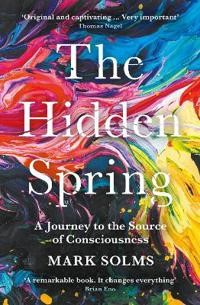
Professor Mark Solms is Director of Neuropsychology at the Neuroscience Institute of the University of Cape Town. He is also Honorary Lecturer in Neurosurgery at the St Bartholomew’s & Royal London Hospital School of Medicine and an Honorary Fellow of the American College of Psychiatrists. He is a member of the British Psychoanalytical Society and the American and South African Psychoanalytic Associations. He has published 350 scientific papers, and eight books, the latest being The Hidden Spring (Norton, 2021).


Public Lecture: Prof. Björn Merker – Cracks in the cortical consensus: Recent empirical findings that bear on consciousness theory

Event Start Date:
26. September 2024
Event End Date:
26. September 2024
Event Venue:
Sophus Lies Auditorium, Blindern Campus, University of Oslo

On 26th of September 2024, Prof. Björn Merker will hold a public lecture in our forum:

Cracks in the cortical consensus: Recent empirical findings that bear on consciousness theory

Time: September 26, 2024  16.30-18.30

Venue: Sophus Lies Auditorium, Blindern Campus, University of Oslo

An overwhelming consensus regarding the locus of consciousness assigns it to cortical mechanisms. Besides the intuitive appeal of assigning what is presumed to be a sophisticated function to an organ that is exceptionally developed in ourselves, a number of empirical findings have been taken to support this identification. One is the claim that severing the commissures that connect the two sides of the cerebral cortex leaves the patient with two separate and independent consciousnesses. Another is the claim that loss of the primary visual cortex leaves the patient able to respond to stimuli in the affected part of the visual field but bereft of all phenomenal visual experience in the same (so called blind sight). A third is empirical evidence that activation of two parts of cortical circuitry, the so called feed-forward and feed-back components of cortical counter-current organization, must converge and interact for a given stimulus event to be consciously perceived. There are, however, rather recently accrued empirical findings on each of these issues that compromise their support for a cortical locus of consciousness. I will review these challenges to the cortical consensus, and relate them to more general characteristics of cortical organization that militate against its filling the role of “organ of consciousness”.

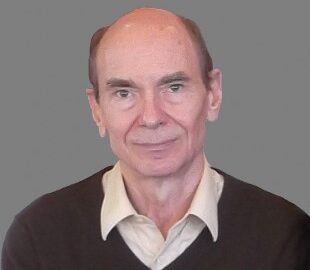
Björn Merker is a neuroscientist in retirement. He has longstanding interests in systems neuroscience, evolutionary biology, and brain mechanisms of consciousness. He obtained his doctorate from the Department of Psychology and Brain Science at M.I.T. in 1980 for work on the mammalian superior colliculus. Since then he has worked on oculomotor physiology in cats, on the primary visual cortex in macaques, on song development and mirror self-recognition in gibbons, and on the evolutionary and developmental background to human music and language. In retirement he has continued theoretical work related to both the latter topics as well as consciousness.

Public Lecture: Dr. Jaan Aru – Science of consciousness in the age of artificial intelligence

Event Start Date:
15. May 2024
Event End Date:
15. May 2024
Event Venue:
Sophus Lies auditorium, Moltke Moes vei 35,  Blindern Campus, University of Oslo

On May 15th, 2024, Dr. Jaan Aru, Institute of Computer Science, University of Tartu.

will give a lecture in our forum:

Science of consciousness in the age of artificial intelligence

Time: May 15th, 2024,  16.00 – 17.45

Venue: Sophus Lies auditorium, Moltke Moes vei 35,  Blindern Campus, University of Oslo

A recording of a live stream of the event will be posted here once processed.

Jaan Aru is an associate professor at the Institute of Computer Science, University of Tartu. He did his PhD in the Max Planck Institute of Brain Research and obtained a Marie-Curie fellowship to do a post-doc with Matthew Larkum in Berlin. He has written three books in Estonian and has twice received the national science communication prize in Estonia for his efforts in popularizing science. In 2019, he received the Young Scientist Prize from the President of Estonia.

Advances in artificial intelligence (AI) and the current debate on conscious machines provide a golden opportunity to reassess fundamental assumptions about consciousness. For instance, the rise of the capabilities of AI systems has led to the question of whether these systems might soon be conscious. However, that debate has revealed that we might have underestimated the complexity neurobiological mechanisms underlying consciousness. in this talk, Aru will mainly focus on two issues: First, the architectures of present-day AI algorithms are missing key features of the thalamocortical system that have been linked to conscious awareness in mammals. Second, the evolutionary and developmental trajectories that led to the emergence of living conscious organisms arguably have no parallels in artificial systems as envisioned today. The existence of living organisms depends on their actions and their survival is intricately linked to multi-level cellular, inter-cellular, and organismal processes culminating in agency and consciousness.

Recent articles by Jaan Aru

Aru, J., Drüke, M., Pikamäe, J., & Larkum, M. E. (2023). Mental navigation and the neural mechanisms of insightTrends in Neurosciences

Aru, J., & Rozgonjuk, D. (2022). The effect of smartphone use on mental effort, learning, and creativityTrends in Cognitive Sciences

Gidon, A., Aru, J., & Larkum, M. E. (2022). Does brain activity cause consciousness? A thought experimentPlos Biology, 20(6), e3001651. 

Aru, J., Labash, A., Corcoll, O., & Vicente, R. (2023). Mind the gap: Challenges of deep learning approaches to Theory of MindArtificial Intelligence Review

Tulver, K., Kaup, K. K., Laukkonen, R., & Aru, J. (2023). Restructuring insight: An integrative review of insight in problem-solving, meditation, psychotherapy, delusions and psychedelicsConsciousness and Cognition. 

Aru, J., Suzuki, M., & Larkum, M. E. (2020). Cellular Mechanisms of Conscious Processing. Trends in Cognitive Sciences.

here is a test embedding for “feilsøking”


POSTPONED – Public Lecture: Prof. Lucia Melloni – An adversarial collaboration to critically evaluate theories of consciousness

Event Start Date:
1. September 2024
Event End Date:
1. September 2024
Event Venue:
Event has been postponed until later in the fall.

NOTE: this lecture by Lucia Melloni has been postponed until further notice and will not be held on 1st of september 2024. 


About the event:

Prof. Lucia Melloni, PhD, Max Planck Institute for Empirical Aesthetics, Frankfurt

will give a lecture in our forum:

An adversarial collaboration to critically evaluate theories of consciousness

Time: September, 2024 (date and time to be decided)

Venue: Auditorium 1, Sverdrups hus (the main library), Blindern Campus, University of Oslo

Dr. Lucia Melloni is a leader of the ongoing, large-scale, international adversarial collaboration to critically evaluate leading theories of consciousness, involving 11 partners, funded by the Templeton World Charity Foundation.

The first experimental results were announced in June 2013 at the 26th meeting of the Association for the Scientific Study of Consciousness (ASSC) in New York City.

Dr. Melloni has been investigating the neural underpinnings of perception (vision), how and why we experience (consciousness) and how those experiences get imprinted in our brain (learning and memory). She has used multiple methods, ranging from invasive and non-invasive electrophysiological and neuroimaging, behavioral techniques, and online surveys. The most recent one focus is on laminar electrophysiology in humans. Finally, she is committed to team-science and open science practices and she is leading a large-scale adversarial collaboration, involving 11 international collaborators to learn more about the footprints of consciousness.


Some articles by Lucia Melloni

Melloni L, Mudrik L, Pitts M, Bentz K, Ferrante O, Gorska U, Hirschhorn R, Khalaf A, Kozma C, Lepauvre A, Ling L, Mazumder D, Richter D, Zhou H, Blumenfeld H, Boly M, Chalmers D, Devore S, Fallon F, de Lange FP, Jensen O, Kreiman G, Luo H, Panagiotaropoulos TI, Dehaene S, Koch C, Tononi G. (2023). An adversarial collaboration protocol for testing contrasting predictions of global neuronal workspace and integrated information theory. PLoS ONE

Alasfour A, Gabriel P, Jiang X, Shamie I, Melloni L, Thesen T, Dugan P, Friedman D, Doyle W, Devinsky O, Gonda D, Sattar S, Wang S, Halgren E, Gilja V (2022). Spatiotemporal Dynamics of Human High Gamma Discriminate Naturalistic Behavioral States. PLOS COMPUT. BIOL. 18(8): e1010401. doi.org/10.1371/journal.pcbi.1010401

Xu C, Gao J, Gao J, He F, Yu J, Ling Y, Li H, Li J, Melloni L, Luo B, Ding N (2022). Statistical learning in patients in the minimally conscious state. CEREB. CORTEX. bhac222, https://doi.org/10.1093/cercor/bhac222. medRxiv 2022.01.04.22268656; doi: doi.org/10.1101/2022.01.04.22268656

Yaron I, Melloni L, Pitts M, Mudrik L (2022). The Consciousness Theories Studies (ConTraSt) database: analyzing and comparing empirical studies of consciousness theories. NAT. HUM. BEHAV. Feb 21. doi: 10.1038/s41562-021-01284-5. Epub ahead of print. PMID: 35190711.

Pu Y, Kong X, Ranganath C, Melloni L (2022). Event boundaries shape temporal organization of memory by resetting temporal context. NAT COMMUN Feb 2;13(1):622. doi: 10.1038/s41467-022-28216-9. PMID: 35110527; PMCID: PMC8810807.

Lepauvre A & Melloni L (2021). The search for the Neuronal Correlates of Consciousness: Progress and Challenges. PHIMISCI, 2. https://doi.org/10.33735/phimisci.2021.87

Vilas M, Auksztulewicz R, Melloni L (2021). Active Inference as a Computational Framework for Consciousness. REV.PHIL.PSYCH. https://doi.org/10.1007/s13164-021-00579-w

Melloni L, Mudrik L, Pitts M, Koch C (2021). Making the hard problem of consciousness easier. SCIENCE, 372 (6545), 911-912, doi: 10.1126/science.abj3259

Public lecture: Dr. Claire Sergent – Investigating the neural mechanisms of conscious processing in humans

Event Start Date:
15. April 2024
Event End Date:
15. April 2024
Event Venue:
Domus Bibliotheca, University of Oslo, Karl Johans gate 47

On April 15, 2024, Dr. Claire Sergent, CNRS, University of Paris,

will give a lecture in our forum:

Investigating the neural mechanisms of conscious processing in humans

Time: April 15, 2024,  15.00 – 16.30

Venue: Domus Bibliotheca, University of Oslo, Karl Johans gate 47

Abstract: When we contrast how the brain processes the same external stimulation according to whether we report it as perceived or not, we observe a whole series of neural events that correlate with this conscious report. One of the challenges we are now facing in consciousness research is to identify, among these correlates, what corresponds to core mechanisms of conscious access, and distinguish them from upstream events, such as early sensory processing, and from downstream events, such as explicit decision-making and other task-related processes. Here I will present the results of two experimental approaches that we are currently developing in my team to perform this dissection, and I will discuss their potential for identifying neural signatures of conscious access even in the absence of explicit report from the individual. These new developments call for an extension of current models such as the global workspace model, to explain conscious experience beyond task-related processes. They might also open possibilities for a better evaluation of consciousness in non-communicating patients.

Dr. Claire Sergent is an outstanding consciousness researcher with more than 20 years of experience from the forefront of consciousness research. She worked on the early development of the Global Neuronal Workspace Theory of consciousness research (GNWT), together with the pioneers Jean-Pierre Changeux, Stanislas Dehaene and Lionel Naccache. With her group in Paris, she recently published a study that significantly changed the implications of the GNW theory  (“Bifurcation in brain dynamics reveals a signature of conscious processing independent of reportNature Communications, 2021)


Recent articles by Claire Sergent

Derrien D, Garric C, Sergent C, Chokron S. The nature of blindsight: implications for current theories of consciousness. Neurosci Conscious, 2022, 2022 (1), pp.niab043.

Sergent C, Corazzol M, Labouret G, Stockart F, Wexler M, King JR, Meyniel F, Pressnitzer D. Bifurcation in brain dynamics reveals a signature of conscious processing independent of report. Nat Commun, 2021, 12 (1), pp.1149.

Garric C, Sebaa A, Caetta F, Perez C, Savatovsky J, Sergent C, Chokron S. Dissociation between objective and subjective perceptual experiences in a population of hemianopic patients: A new form of blindsight?. Cortex, 2019, 117, pp.299-310.

Jacquet PO, Wyart V, Desantis A, Hsu YF, Granjon L, Sergent C, Waszak F. Human susceptibility to social influence and its neural correlates are related to perceived vulnerability to extrinsic morbidity risks. Sci Rep, 2018, 8 (1), pp.13347.

Sergent C, Faugeras, Rohaut, Perrin, Valente, Tallon-Braudry, Cohen, Naccache L. Multidimensional cognitive evaluation of patients with disorders of consciousness using EEG: a proof of concept study. Neuroimage, 2016. (PDF)

Some earlier articles by Claire Sergent

Sergent C, Dehaene S. Neural processes underlying conscious perception: experimental findings and a global neuronal workspace framework. J Physiol Paris, 2005, 98 (4-6), pp.374-84.

Sergent C, Dehaene S. Is consciousness a gradual phenomenon? Evidence for an all-or-none bifurcation during the attentional blink. Psychol Sci, 2004, 15 (11), pp.720-8.

Dehaene S, Sergent C, Changeux JP. A neuronal network model linking subjective reports and objective physiological data during conscious perception. Proc Natl Acad Sci U S A, 2003, 100 (14), pp.8520-5.

Dr Sergent Bifurcation in brain dynamics reveals a signature of conscious processing independent of report

Integrative Neuroscience and Cognition Center – CNRS UMR 8002
CNRS, Université de Paris
45 Rue des Saints Pères
75270 Paris Cedex 06
France